
Combining culture and dining in Helsinki creates immersive experiences that go beyond typical restaurant meals. Cultural dining blends authentic cuisine with a traditional atmosphere, storytelling, and genuine cultural elements to offer deeper connections with different traditions. Helsinki’s diverse restaurant scene provides numerous opportunities to explore Italian, French, Asian, and other international cultures through food. Whether you’re seeking authentic Italian experiences or exploring our Theatre Menu for a cultural evening out, the city offers rich cultural gastronomy that goes far beyond standard dining.
What makes cultural dining different from regular restaurant experiences?
Cultural dining transforms meals into immersive experiences by combining authentic cuisine, a traditional atmosphere, and cultural storytelling. Unlike regular restaurants that focus primarily on food quality, cultural dining establishments create environments where every element reflects genuine cultural traditions and heritage.
Authentic ingredients play a crucial role in cultural dining experiences. Restaurants committed to cultural authenticity source traditional ingredients, often importing specialty items that cannot be substituted with local alternatives. This attention to ingredient authenticity ensures that flavours remain true to their cultural origins, creating genuine taste experiences that transport diners to different regions and traditions.
Traditional cooking methods distinguish cultural dining from conventional restaurant approaches. Chefs trained in specific cultural techniques employ time-honoured preparation methods, from hand-rolled pasta to traditional fermentation processes. These methods often require more time and skill but produce flavours and textures that modern shortcuts cannot replicate.
Staff expertise adds another dimension to cultural dining experiences. Knowledgeable servers can explain dish origins, suggest traditional pairings, and share cultural context that enhances understanding and appreciation. This educational component transforms dining from simple consumption into cultural exploration and learning.
How do you find authentic cultural restaurants in Helsinki?
Identifying genuine cultural restaurants requires examining menus, ingredients, atmosphere, and staff expertise rather than relying on superficial theming. Authentic cultural establishments demonstrate consistency between their claimed heritage and actual practices, from ingredient sourcing to preparation methods and service approach.
Menu authenticity provides the first indicator of genuine cultural dining. Look for traditional dish names in their original languages, seasonal menu changes that reflect cultural eating patterns, and ingredient lists that include authentic components. Avoid establishments with overly fusion-heavy menus that dilute cultural authenticity for broader appeal.
Research restaurant backgrounds and ownership to understand cultural credentials. Many authentic cultural restaurants are owned or operated by individuals with genuine connections to the cultures they represent. Check websites, social media, and local food publications for information about chef backgrounds, ingredient sourcing practices, and cultural partnerships.
Assessing the atmosphere helps distinguish authentic cultural elements from superficial decoration. Genuine cultural restaurants integrate traditional music, authentic furnishings, and cultural artifacts that reflect deep understanding rather than stereotypical representations. The overall ambiance should feel natural and lived-in rather than theatrical or overly designed.
What cultural dining experiences does Helsinki offer beyond Finnish cuisine?
Helsinki’s cultural dining scene extends far beyond Finnish traditions, offering authentic Italian, French, Asian, and other international experiences brought by immigrant communities and cultural enthusiasts. The city’s diverse population has created opportunities for genuine cultural exploration through food, with restaurants representing traditions from across the globe.
Italian cultural dining thrives in Helsinki through establishments that emphasise traditional techniques, imported ingredients, and authentic regional specialities. These restaurants often feature handmade pasta, traditional wine selections, and seasonal menus that reflect the Italian culinary calendar. Many source ingredients directly from Italy to maintain authenticity.
Asian cultural restaurants in Helsinki represent various traditions, from Japanese establishments focusing on seasonal ingredients and traditional presentation to Vietnamese restaurants emphasising fresh herbs and traditional pho preparation methods. Each culture brings distinct approaches to ingredient selection, cooking techniques, and dining customs.
French cultural dining experiences in Helsinki often emphasise traditional techniques, seasonal ingredients, and classic preparation methods. These establishments typically feature carefully curated wine selections, traditional bread-making practices, and menu structures that reflect French dining customs and regional specialities.
Why does atmosphere matter so much in cultural dining?
An authentic cultural atmosphere enhances dining experiences by engaging multiple senses and creating immersive environments that support cultural storytelling. Cultural immersion through atmosphere helps diners connect emotionally with different traditions, making meals more memorable and meaningful than simple food consumption.
Traditional music, when used appropriately, creates cultural context without overwhelming conversation. Authentic cultural restaurants often feature music that reflects regional traditions, played at volumes that enhance rather than dominate the dining experience. This audio element helps transport diners and creates emotional connections to cultural traditions.
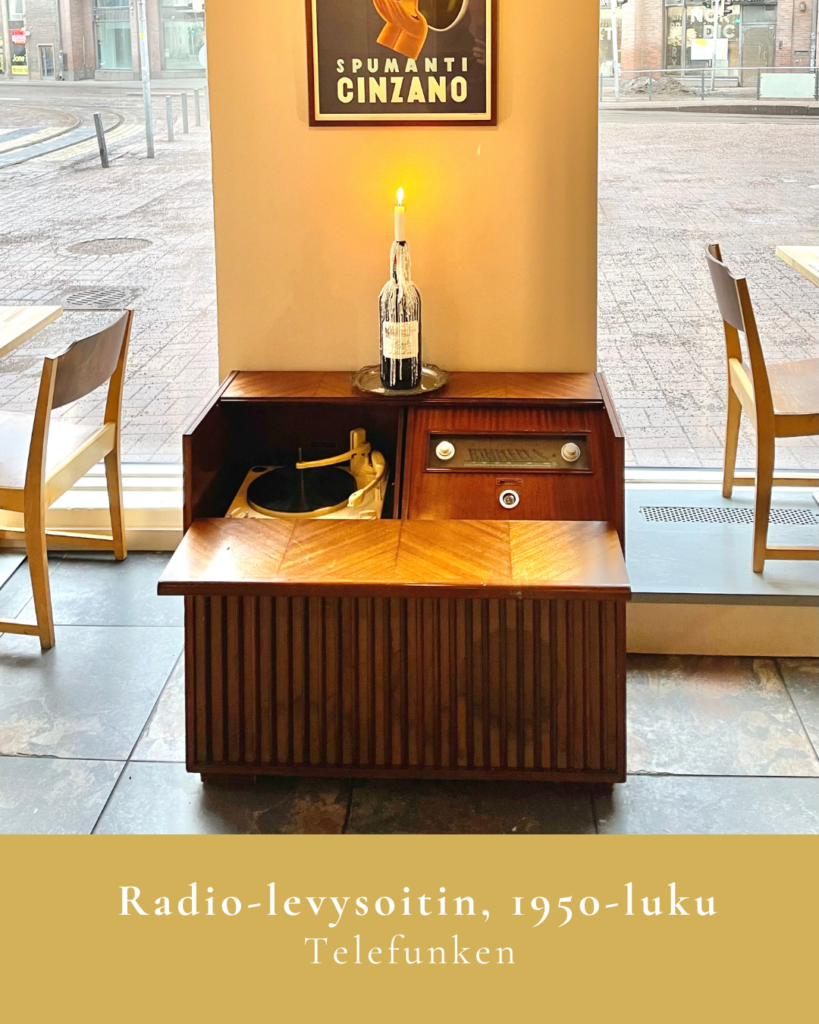
Vintage decor and cultural artifacts contribute to authentic storytelling when chosen thoughtfully. Genuine cultural restaurants often display items with personal significance to owners or staff, creating conversation opportunities and demonstrating real cultural connections. These elements should feel natural and integrated rather than forced or museum-like.
Lighting, furniture, and table settings work together to create cohesive cultural environments. Traditional lighting approaches, authentic furniture pieces, and culturally appropriate table settings help establish an atmosphere that supports the overall cultural dining experience. These details demonstrate attention to cultural authenticity and enhance immersion.
Helsinki’s cultural dining scene offers rich opportunities to explore different traditions through authentic food experiences. From intimate Italian establishments to diverse international options, the city provides genuine cultural connections through cuisine. For your next cultural dining adventure, consider booking a table to experience authentic Italian culture and cuisine in the heart of Helsinki.